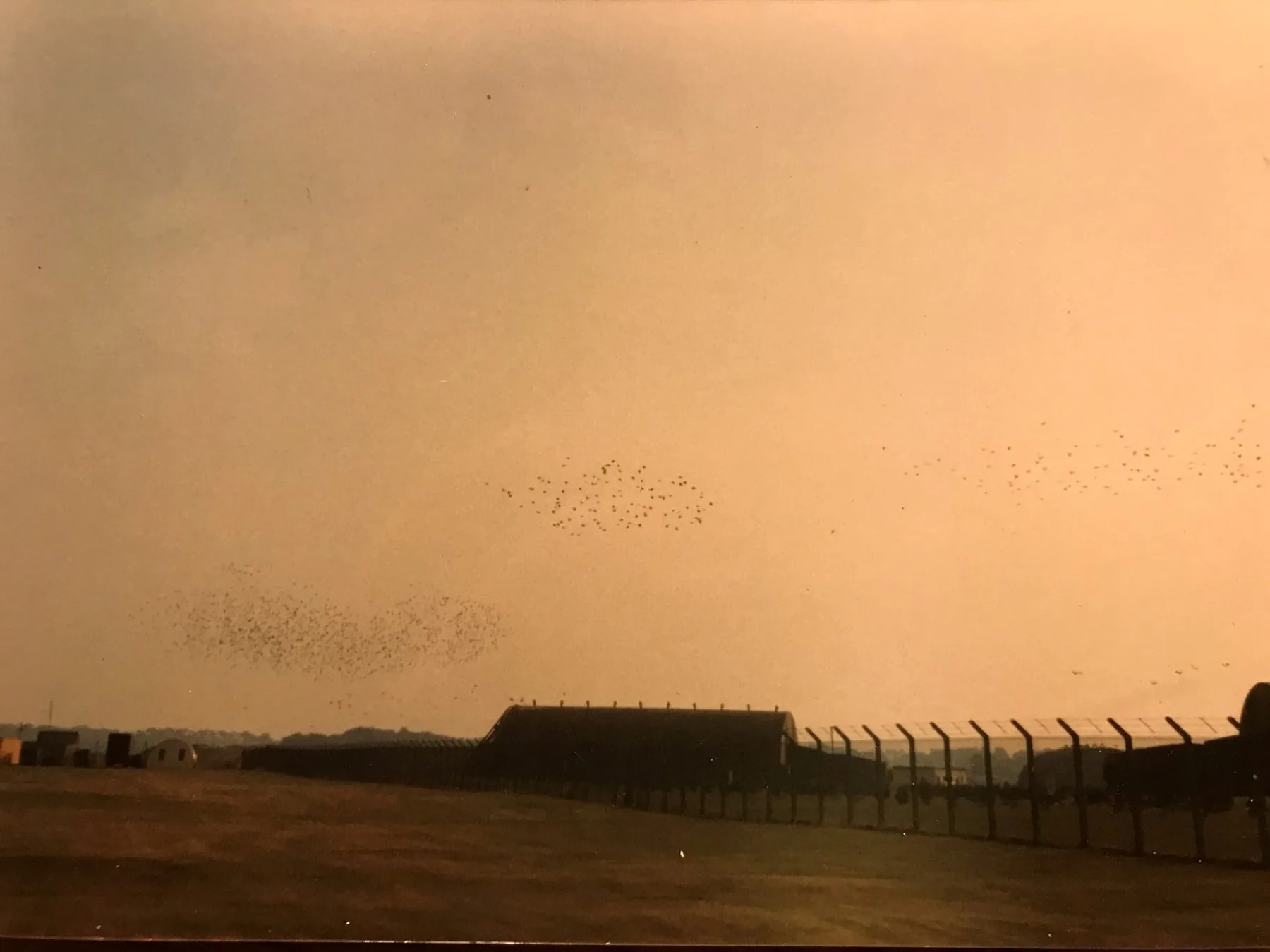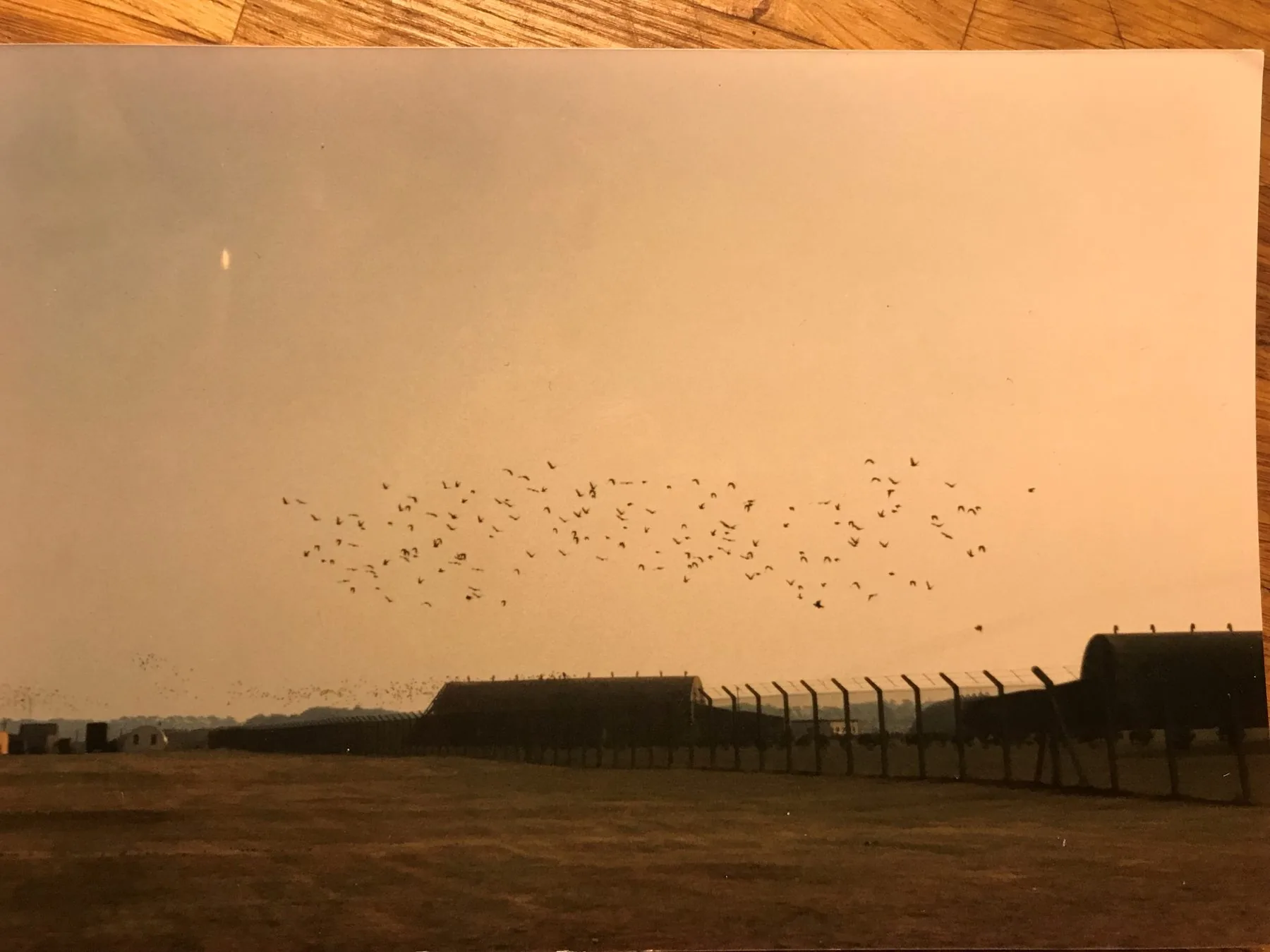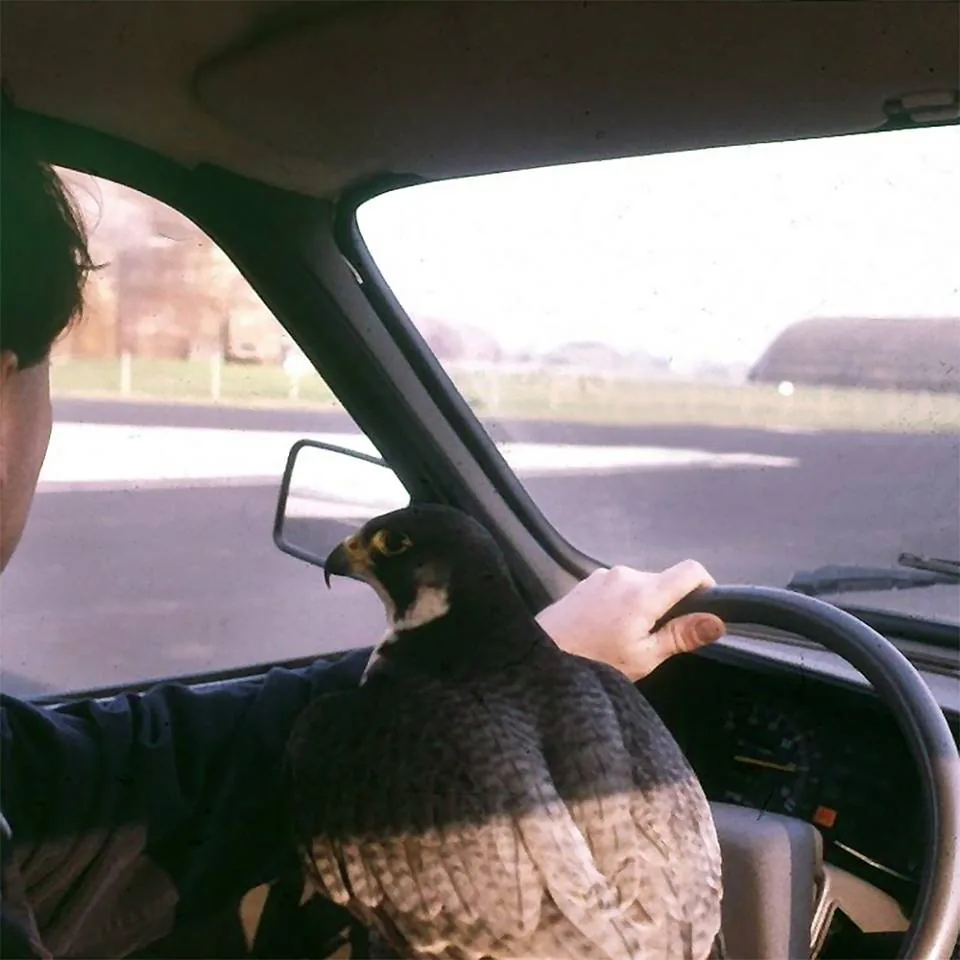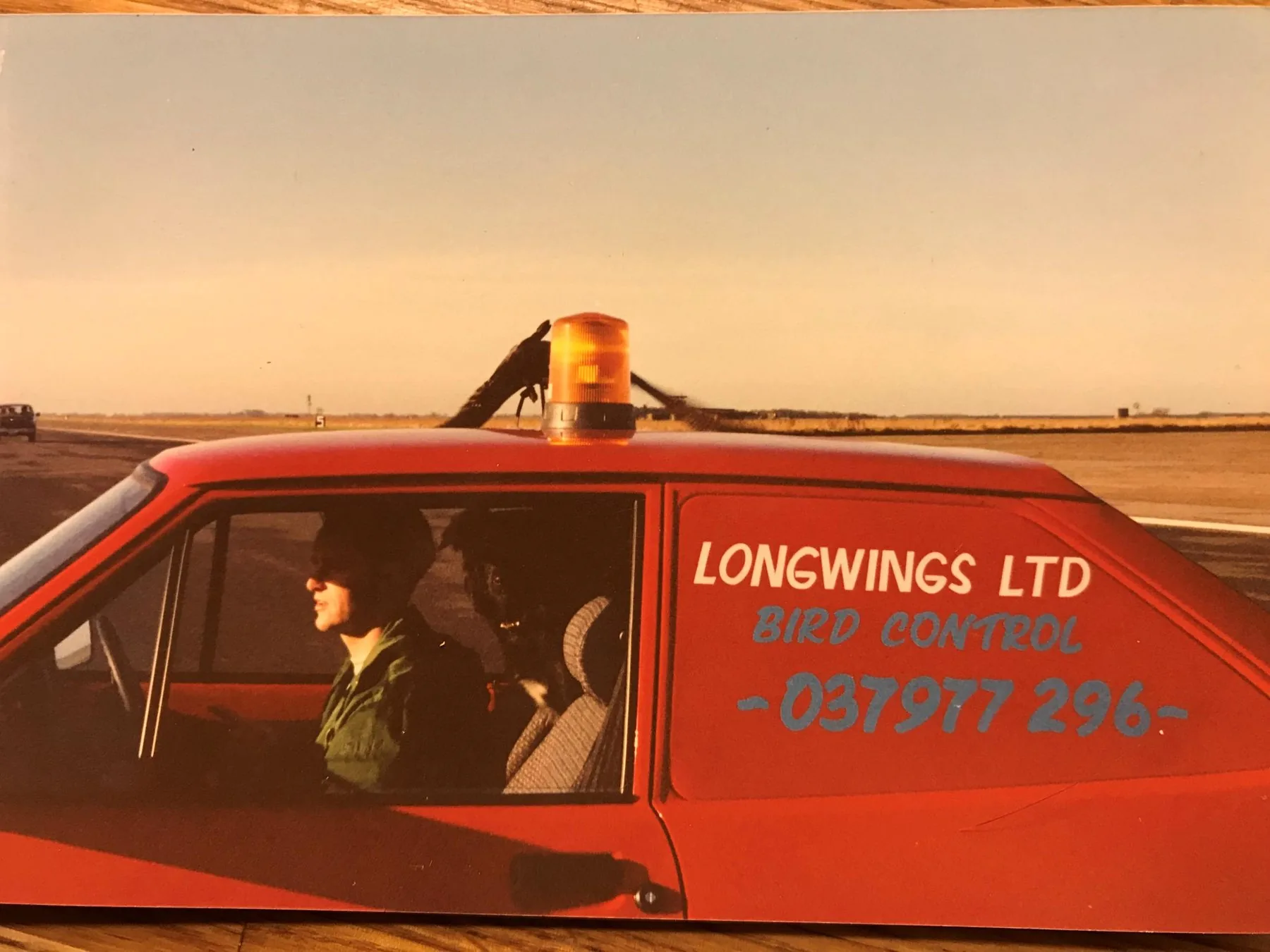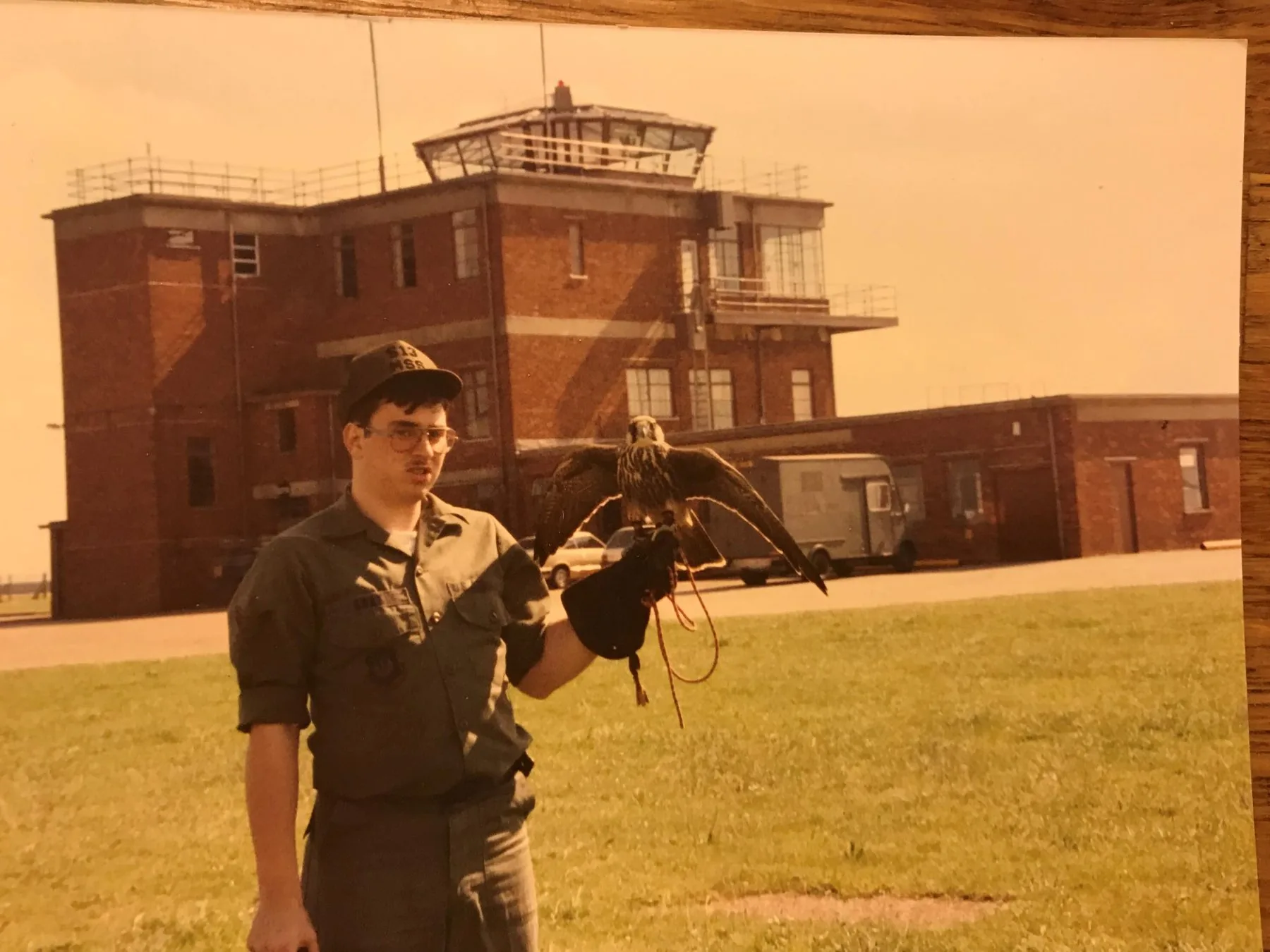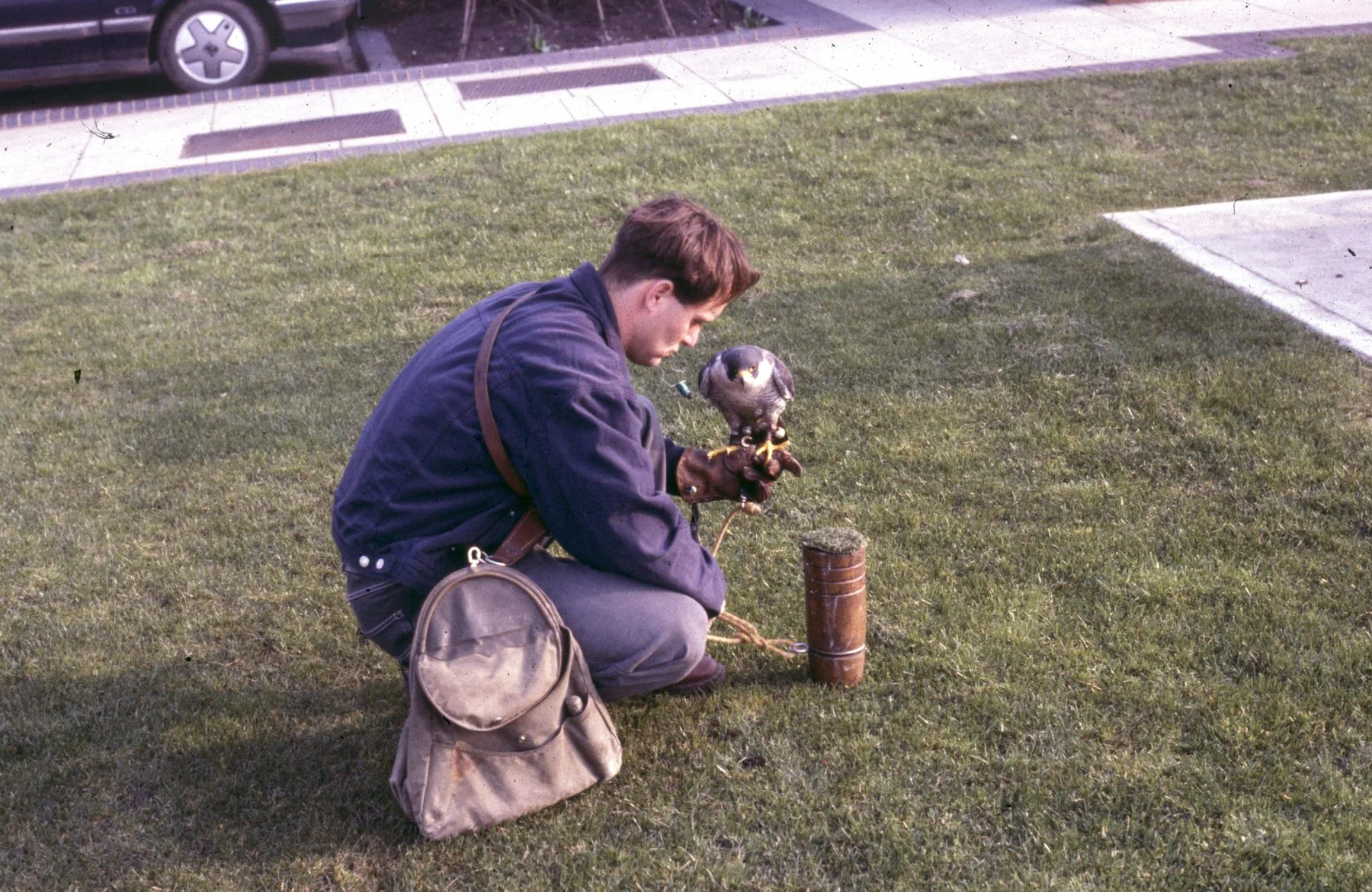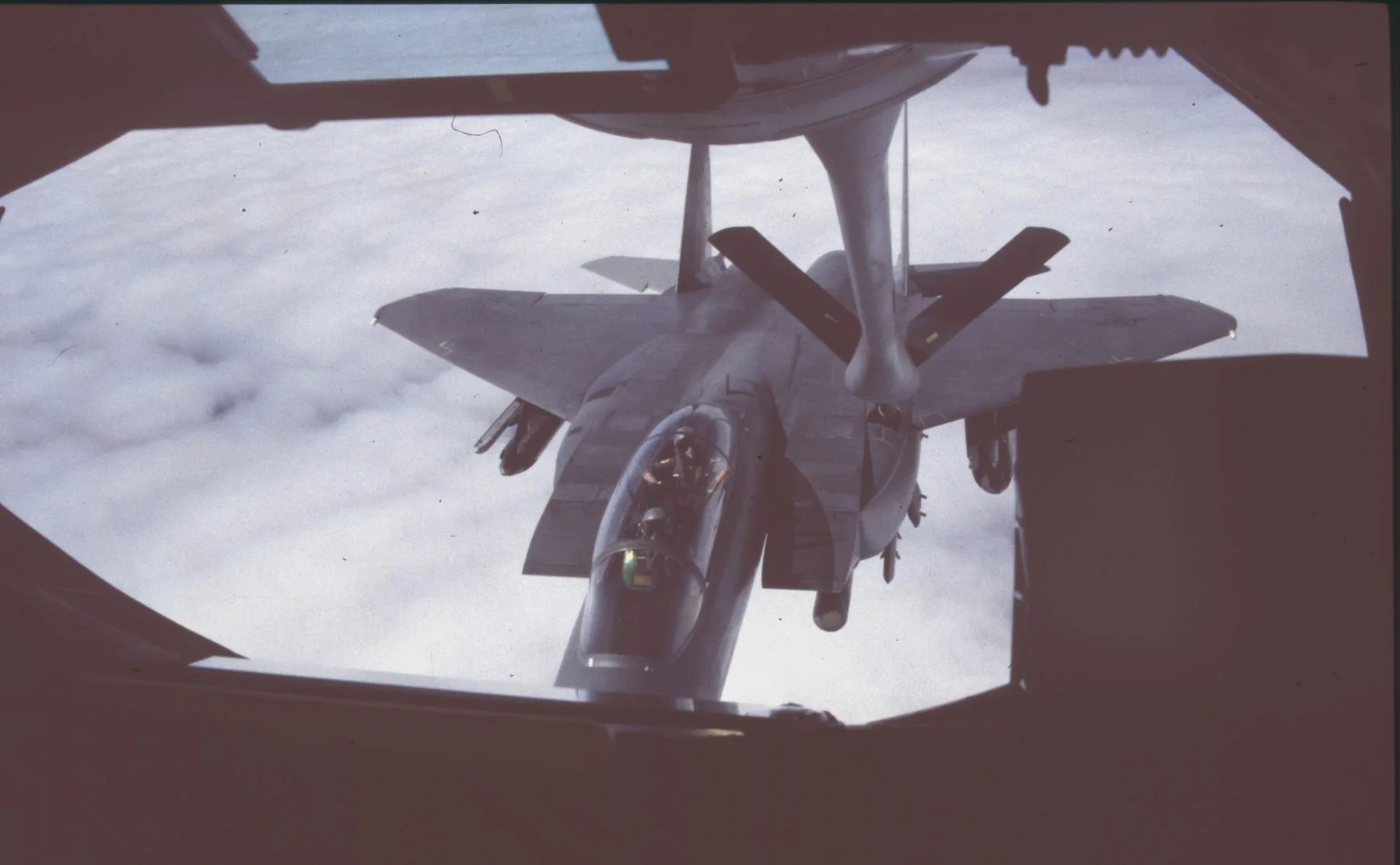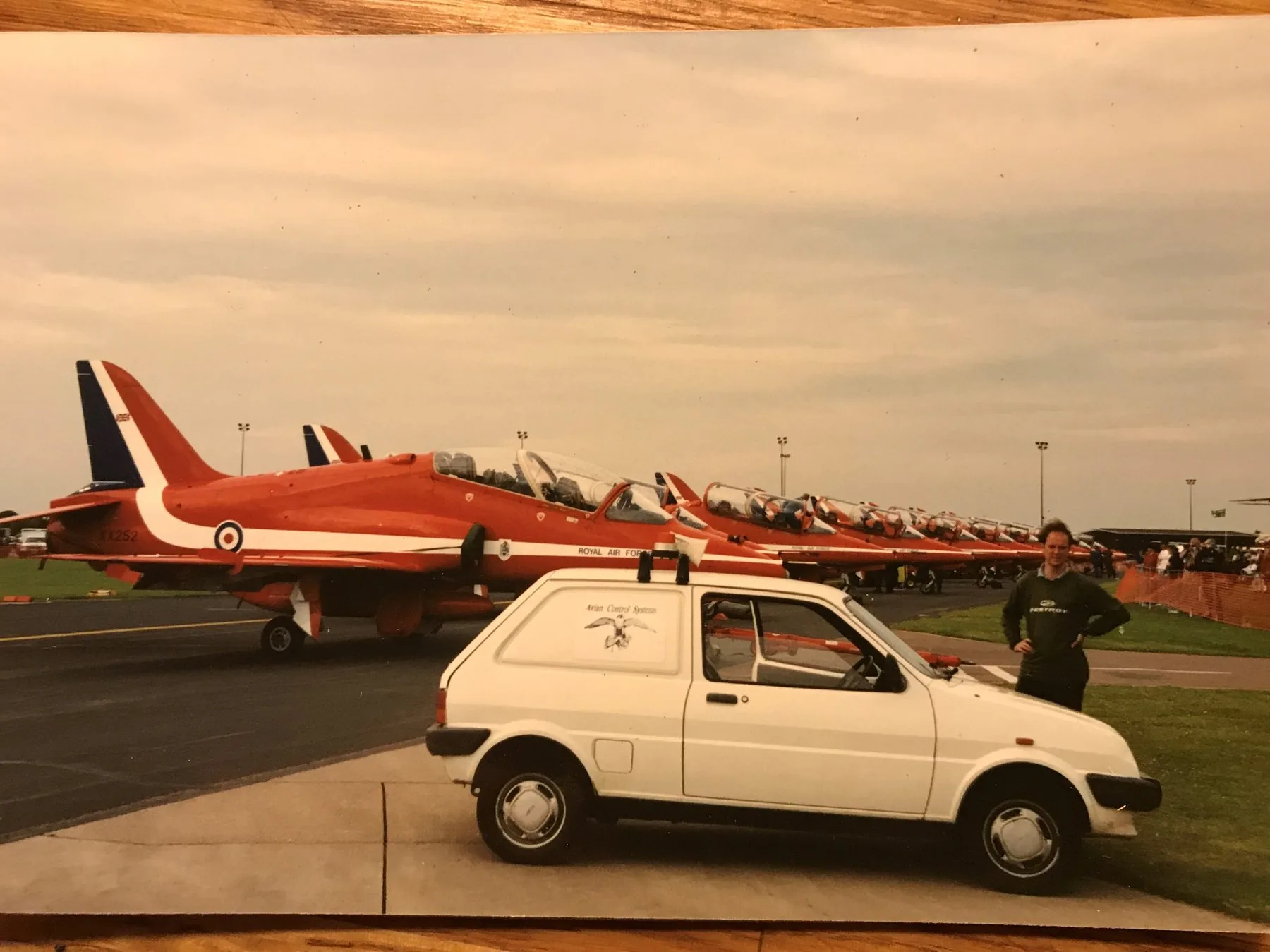
Bird activity in the vicinity of active runways and taxiways presents a serious operational concern for any airfield. Strikes between aircraft and birds can result in significant damage to jet engines, airframes and other critical systems. The risk is heightened at military installations, where aircraft operate across a wide range of speeds, profiles and sortie types.
Managing that risk requires more than periodic deterrence. It demands a consistent, expert presence — a specialist who understands the behaviour of different bird species under varying weather conditions, across different seasons, and in proximity to aircraft movement.
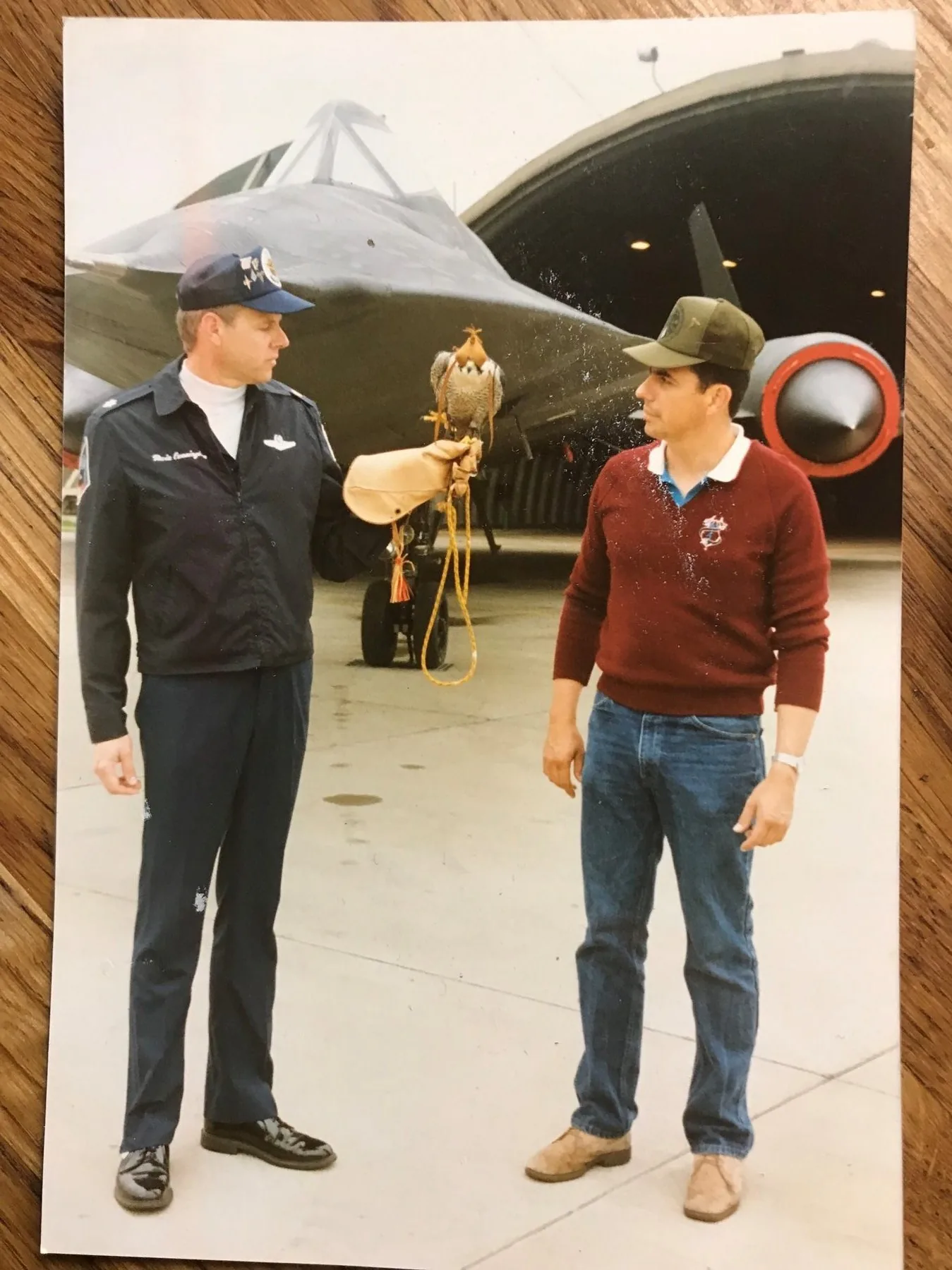
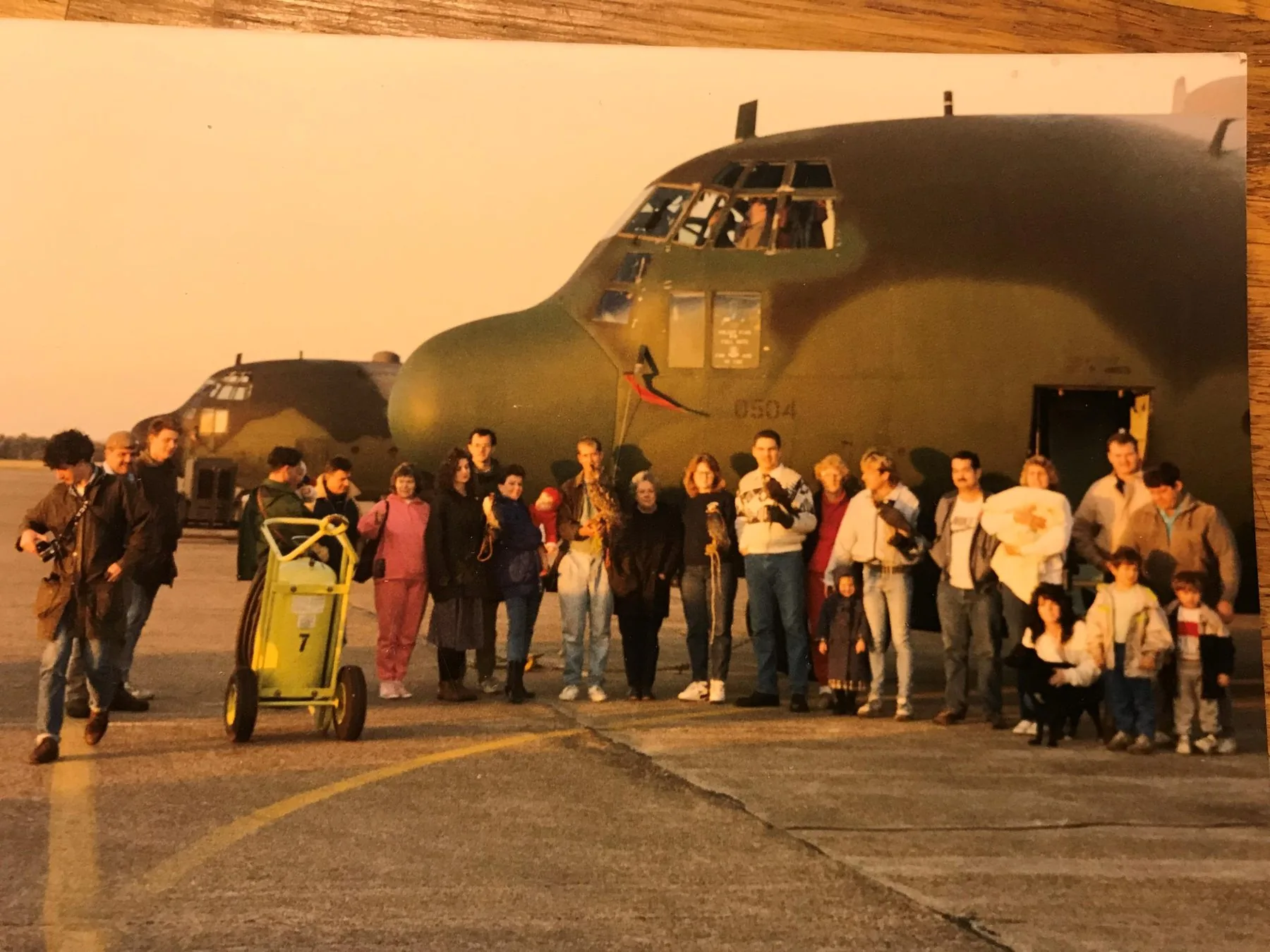
Falconry offers a biological deterrent that modifies the behaviour of wild birds rather than simply displacing them temporarily. The presence of a trained predator fundamentally changes how other species perceive and use a space. For airfield applications, this makes it a uniquely effective tool — particularly when delivered by a specialist working daily within the operational environment.